 Binary is a base-2 number system invented by Gottfried Leibniz that's made up of only two numbers or digits: 0 (zero) and 1 (one). This numbering system is the basis for all binary code, which writes digital data such as the computer processor instructions used with your devices every day.
 What is binary code and how does it work? Find out how the 1's and 0's mean and how to read binary in this free computer science 101 guide.
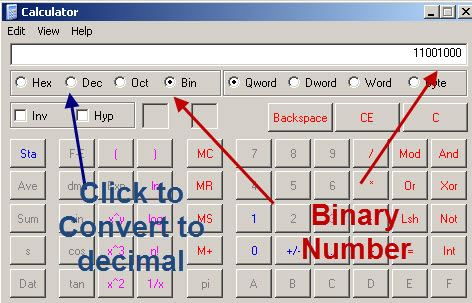 Binary numbers are base 2 numbers, and have only two values – 0 and 1. If we look at a binary number like 101, then we can again assign column values as we did with our decimal number, but this time we use 2, and not 10 as the base.